 Close
Close
When the land transforms into a canvas, and stones become a language that narrates history, Byzantine art is born as one of the most magnificent forms of human expression of faith and beauty. In Jordan, this art is not displayed behind museum glass, but rather experienced firsthand, where mosaics guide you on a journey through time, between sacred geography and profound spirituality, in an experience where cultural splendor meets the depth of human history.
The term “Byzantine” refers to the Eastern Roman Empire, while “Byzantine” refers to the modern name for this civilization, which began with the founding of Constantinople in 330 AD and reached its zenith in the 6th century AD during the reign of Emperor Justinian. It was during this period that regions like Madaba and Mount Nebo became centers of artistic and religious influence, and their ruins remain among the richest testaments to this heritage in the world.
Jordan is considered one of the world’s leading regions for this art, with studies indicating the presence of over 200 Byzantine churches scattered throughout the country, reflecting an exceptional architectural and spiritual flourishing. This land was also part of early Christian pilgrimage routes, linking Jerusalem to Mount Nebo and Madaba, offering visitors an experience that transcends mere tourism and delves into spiritual contemplation.
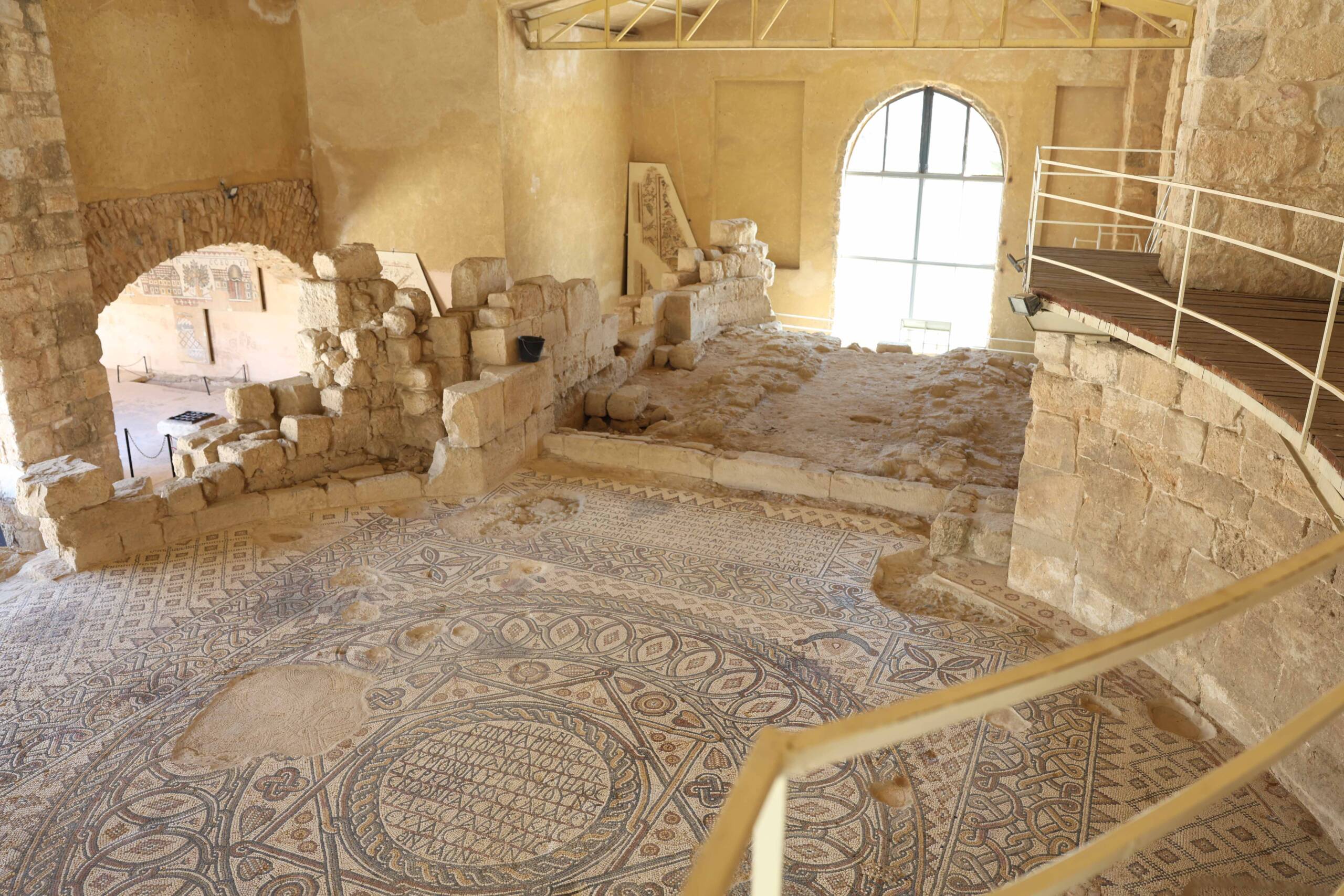
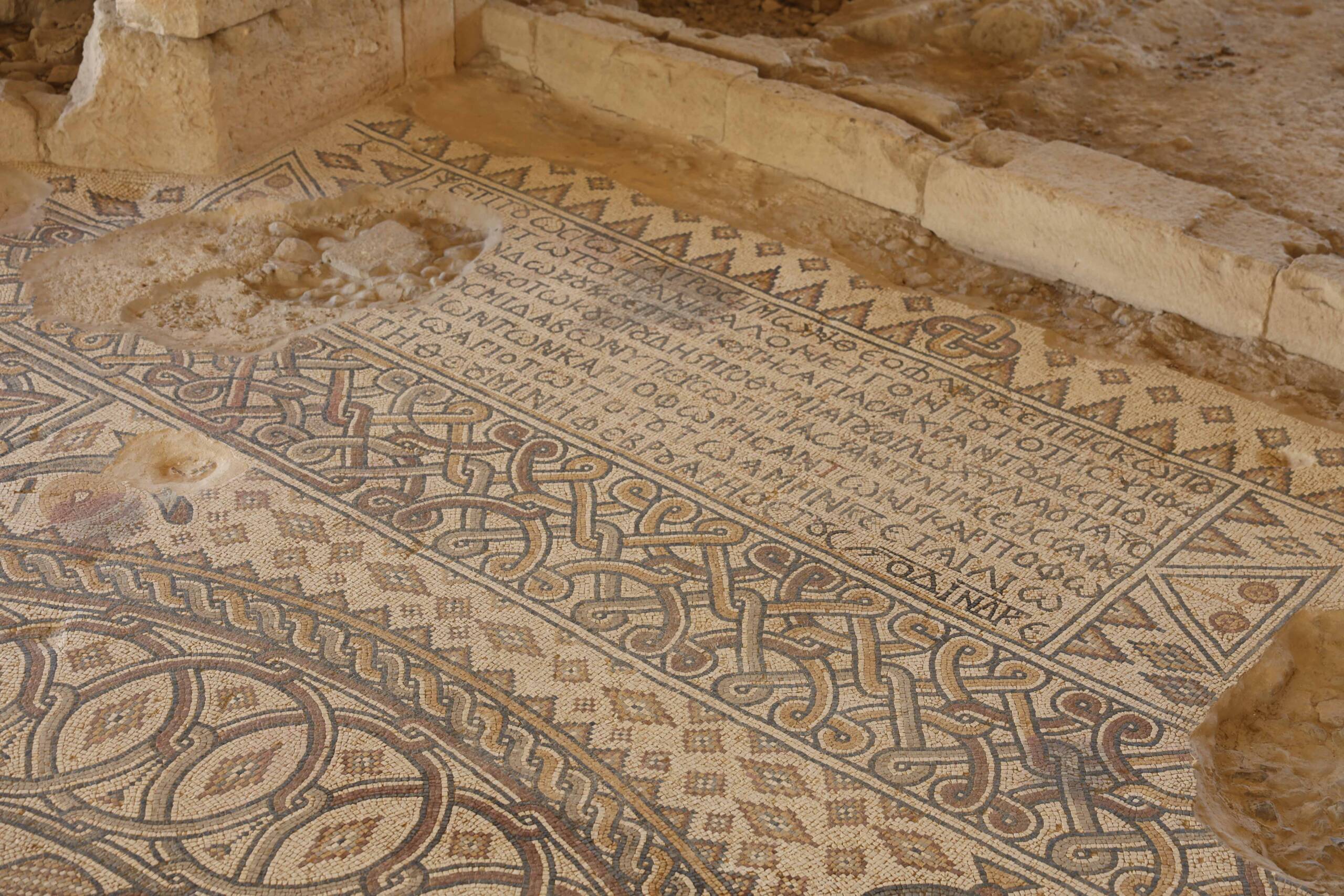
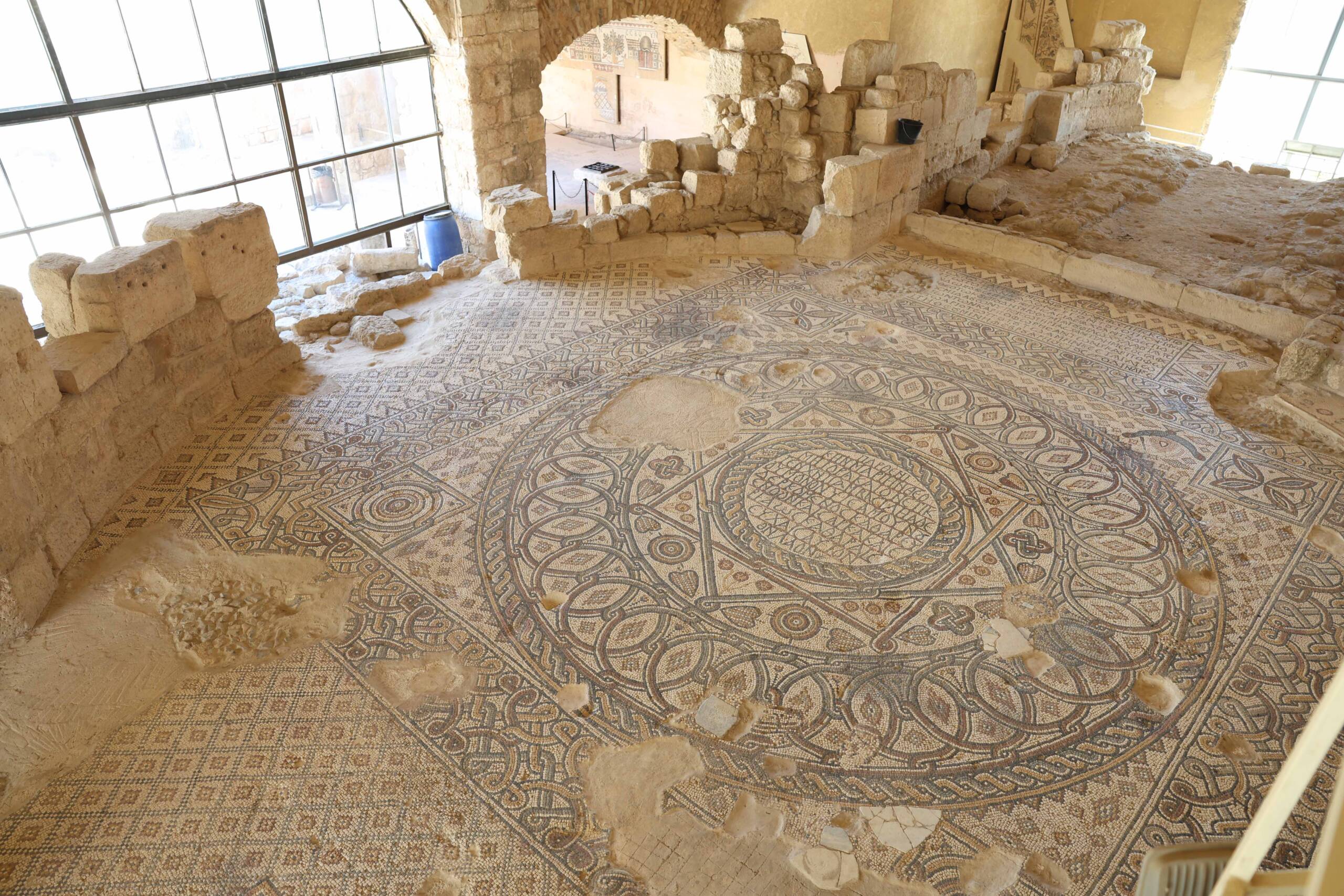
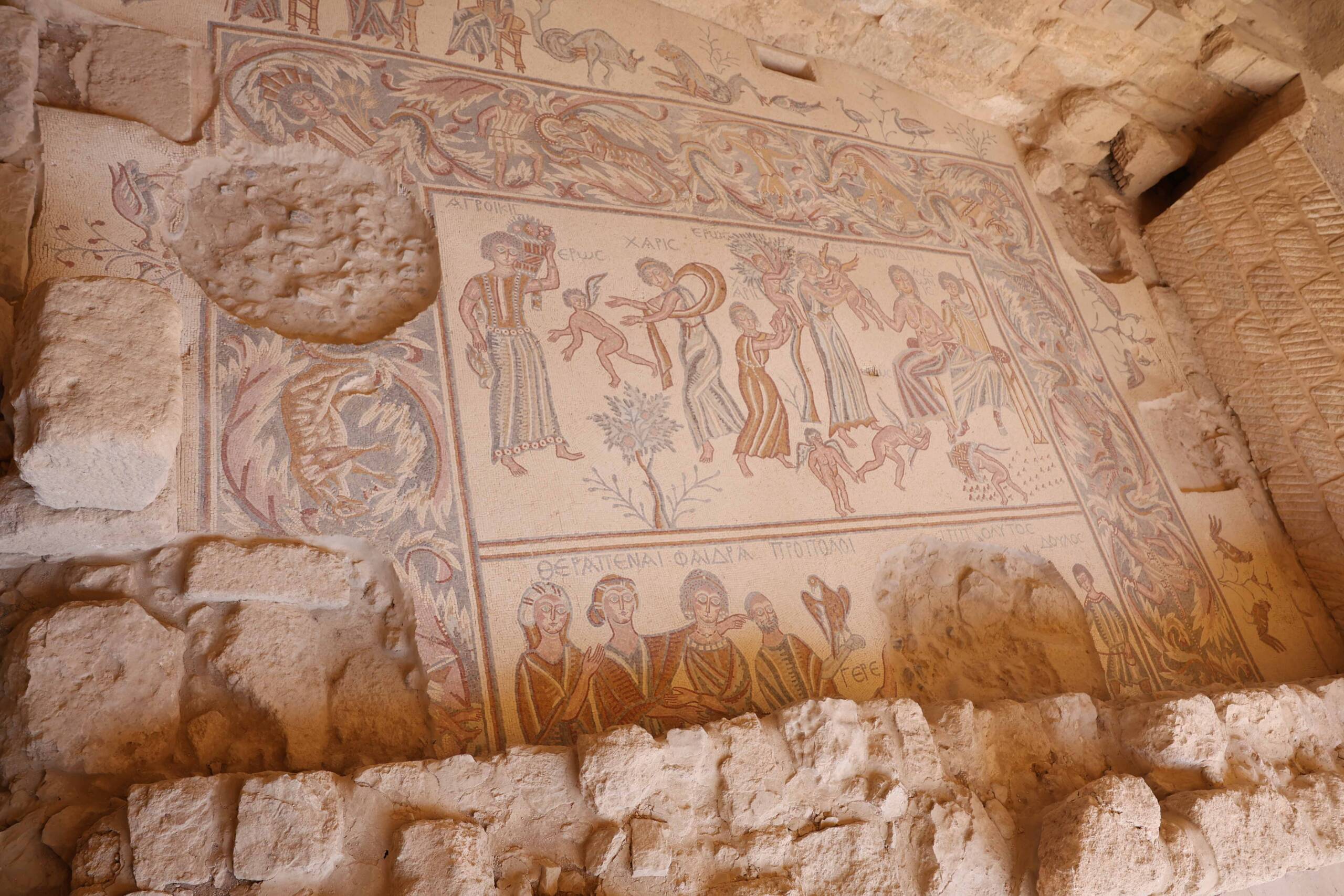
At the heart of this heritage, Byzantine mosaics shine as the most prominent and dazzling feature. These works are crafted from intricate pieces known as mosaic tiles, made of stone, glass, or gold, and carefully laid over layers of mortar to create vibrant scenes. The arrangement of these tiles was not arbitrary, but rather placed at carefully considered angles to reflect light and give the artwork a shimmering effect that shifts with the visitor’s movement within the space.
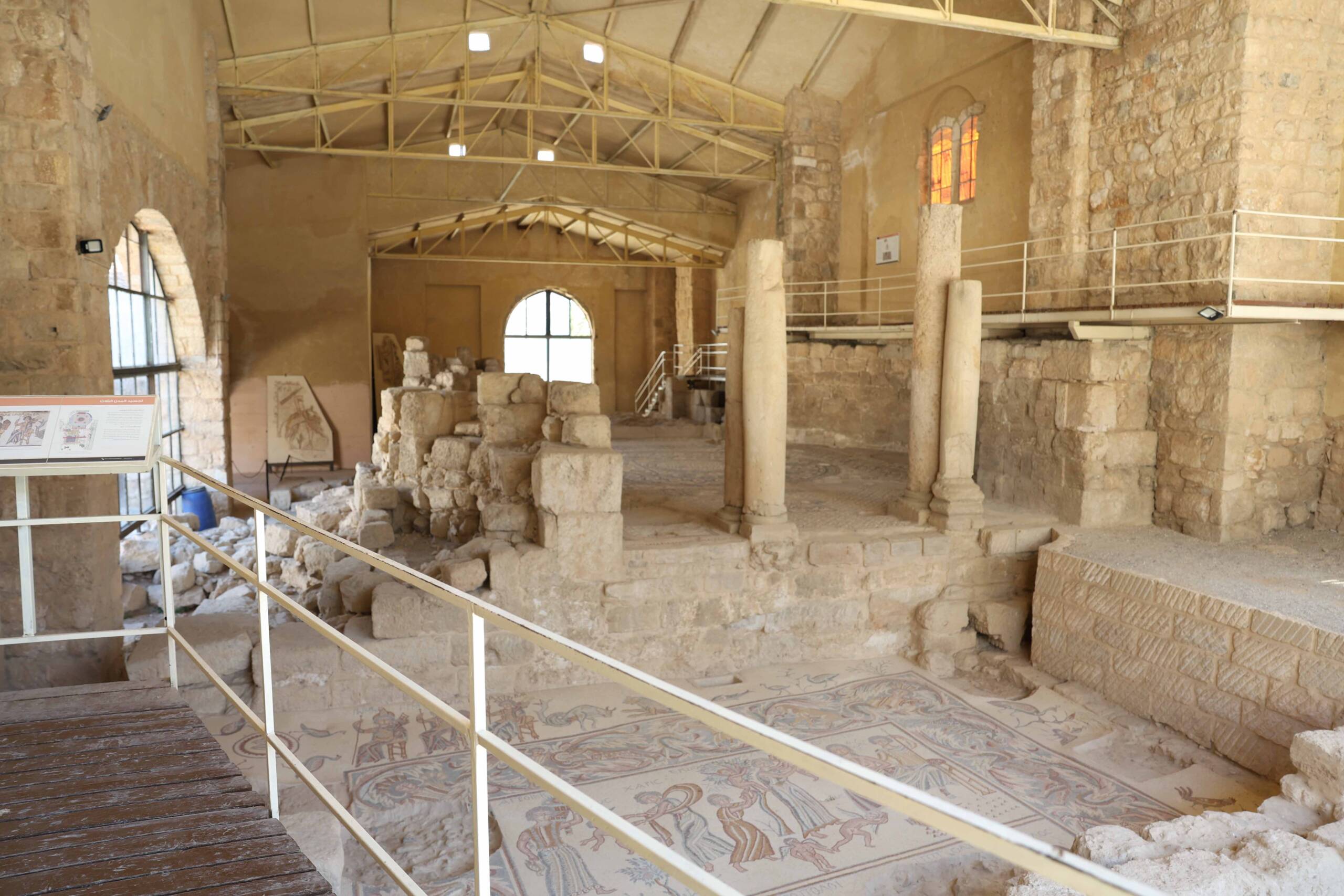
These mosaics are distinguished by their rich colors and golden backgrounds, which symbolize divine light, and by their symbolic style, which conveys sanctity more than realism. Here, the artwork is not merely an image, but a message that teaches, guides, and draws the visitor into a complete spiritual experience, where art intertwines with the architectural space to create a visual and spiritual path within the church.
The pinnacle of this creativity is embodied in the Madaba Map mosaic, the oldest known mosaic map of the Holy Land, dating from between 542 and 570 CE. This unique masterpiece offers more than just a drawing; it is a meticulously detailed visual representation of the ancient world, depicting cities, roads, and religious sites—most notably Jerusalem—in stunning detail, accompanied by explanatory and documented Greek inscriptions.
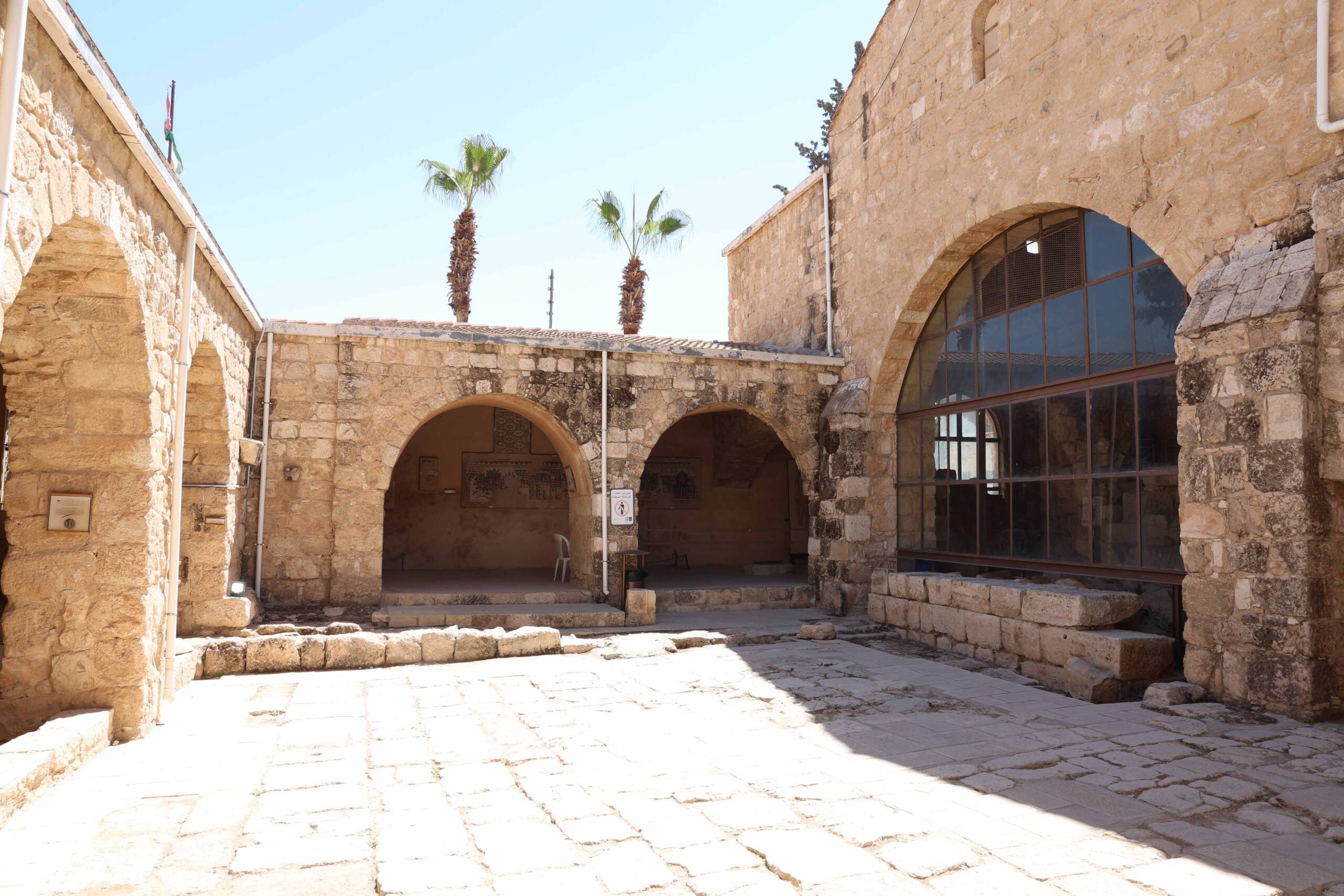
This mosaic is located within the Church of St. George (the Map Church), built in 1896 CE on the ruins of an older Byzantine church, a testament to the continuity of this heritage across the centuries, where past and present converge in a single space.
Byzantine art was not limited to mosaics; it also encompassed:
Religious icons painted on wood
Illustrated manuscripts decorated with sacred texts
Wall paintings and architectural decorations
These works were characterized by a style that combined simplicity and grandeur, depicting sacred figures in vibrant colors and clear lines, in a visual expression that aimed to convey spiritual meaning rather than simply imitate reality.
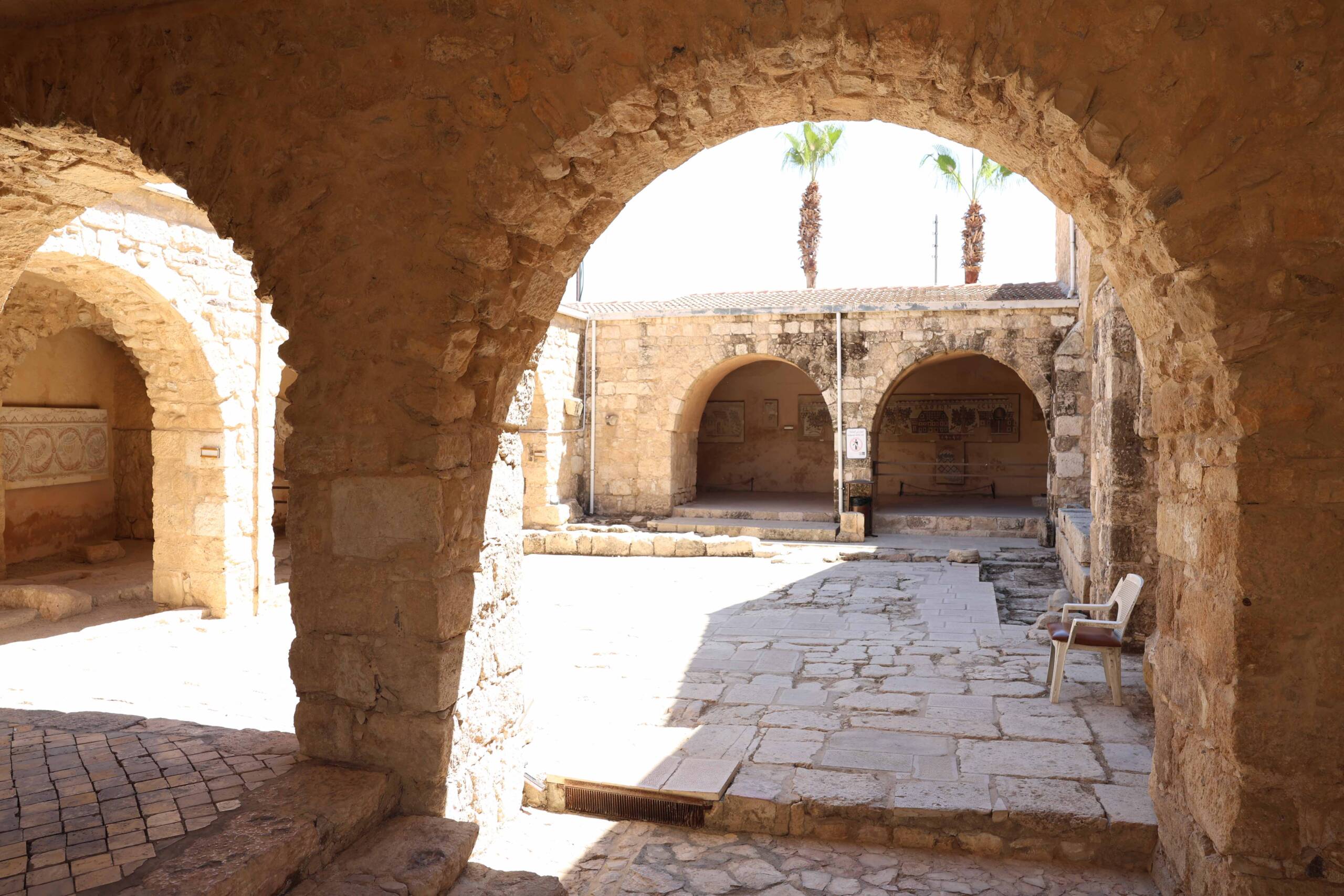
It is noteworthy that this art did not cease with the historical transformations, but rather continued to be used in churches and to have decorations added to them even after the Islamic conquest in the seventh century, in a scene that reflects a unique cultural coexistence and a rare cultural continuity in the history of the region.
Visiting these sites is not merely a tourist trip, but a multi-dimensional experience. Here, you walk upon history, contemplating details crafted by artists more than fifteen hundred years ago, details that still retain their power to amaze.
The Roman-Byzantine art in Jordan is not simply silent relics, but a living memory pulsating with beauty and faith, an open invitation to all who seek an experience that combines cultural splendor with spiritual depth.